Audience guide
Best Office Chair for Engineers in 2026
Engineers often chain long technical sessions with dense documentation, dashboards, or design tools. A chair with durable support and true adjustability keeps focus on the problem — not on shifting for comfort every twenty minutes.
Updated August 2026 · For engineers building healthier desk setups
Key takeaways
- Engineering days reward chairs rated for continuous multi-hour sitting.
- Lumbar, seat depth, and breathability outrank styling features.
- Aeron and Leap lead premium technical seating; Titan Evo is a solid mid pick.
- Multi-window workflows increase the need for stable upright support.
- Combine chair quality with movement breaks during incident or design marathons.
At a glance
Best office chairs for engineers compared
| Chair | Best For | Price | Key Feature |
|---|---|---|---|
| Herman Miller Aeron Chair | Long technical sessions | $1,400–$1,800 | 8Z Pellicle mesh for pressure distribution and airflow |
| Steelcase Leap Chair | Flexible back comfort | $1,000–$1,500 | LiveBack technology that flexes with spinal movement |
| Steelcase Gesture Chair | Posture variety across tools | $1,200–$1,600 | 360-degree arms that follow your movement |
| Secretlab Titan Evo | Strong mid-range support | $500–$650 | Magnetic lumbar support system |
Work-day fit
Why engineers need a different office chair
Engineering work often means long static focus: tracing logs, refining designs, or reviewing pull requests for hours. That load pattern is similar to programming but often includes heavier multi-window scanning and longer peer design reviews.
Chairs that deform or run hot become a tax on attention exactly when concentration matters most.
Deep technical blocks
Support must last through multi-hour investigation without mid-session collapse.
Dashboard and multi-window scanning
Slight head turns and lean-ins stack neck and lumbar demand over the afternoon.
Documentation and design reviews
Long meetings mean you need recline that stays supportive, not just a soft tip-back.
Hybrid lab / desk days
When you return to the desk after lab time, a quick-adjust chair beats reconfiguring a rigid seat.
Common pain points
- Lower back load during deep technical work
- Shoulder tightness from mouse-heavy tools
- Hip fatigue after long architecture reviews
- Neck strain scanning multiple panels
Priorities
What makes a good office chair for engineers?
Lumbar support
Essential
Reliable lower-back support under static load.
Why it matters: Long technical focus is when lumbar failure shows up as mid-afternoon pain.
Seat depth & fit
Essential
A seat pan matched to thigh length and height.
Why it matters: Poor fit cuts blood flow or leaves the pelvis unsupported for engineers of all heights.
Breathable mesh or ventilated seat
Highly recommended
Heat control for long continuous sittings.
Why it matters: Heat distraction is costly during precise work that already taxes attention.
Armrest adjustability
Highly recommended
Height and position that match keyboard- and mouse-heavy tools.
Why it matters: Shoulder load from mouse use accumulates quietly across engineering tools.
Warranty & mechanism durability
Highly recommended
Build quality for daily professional use over many years.
Why it matters: Engineering roles often mean thousands of hours per year in one chair.
Picks
Recommended office chairs for engineers
Each pick is chosen for how engineers actually sit and work — not a generic bestseller list.
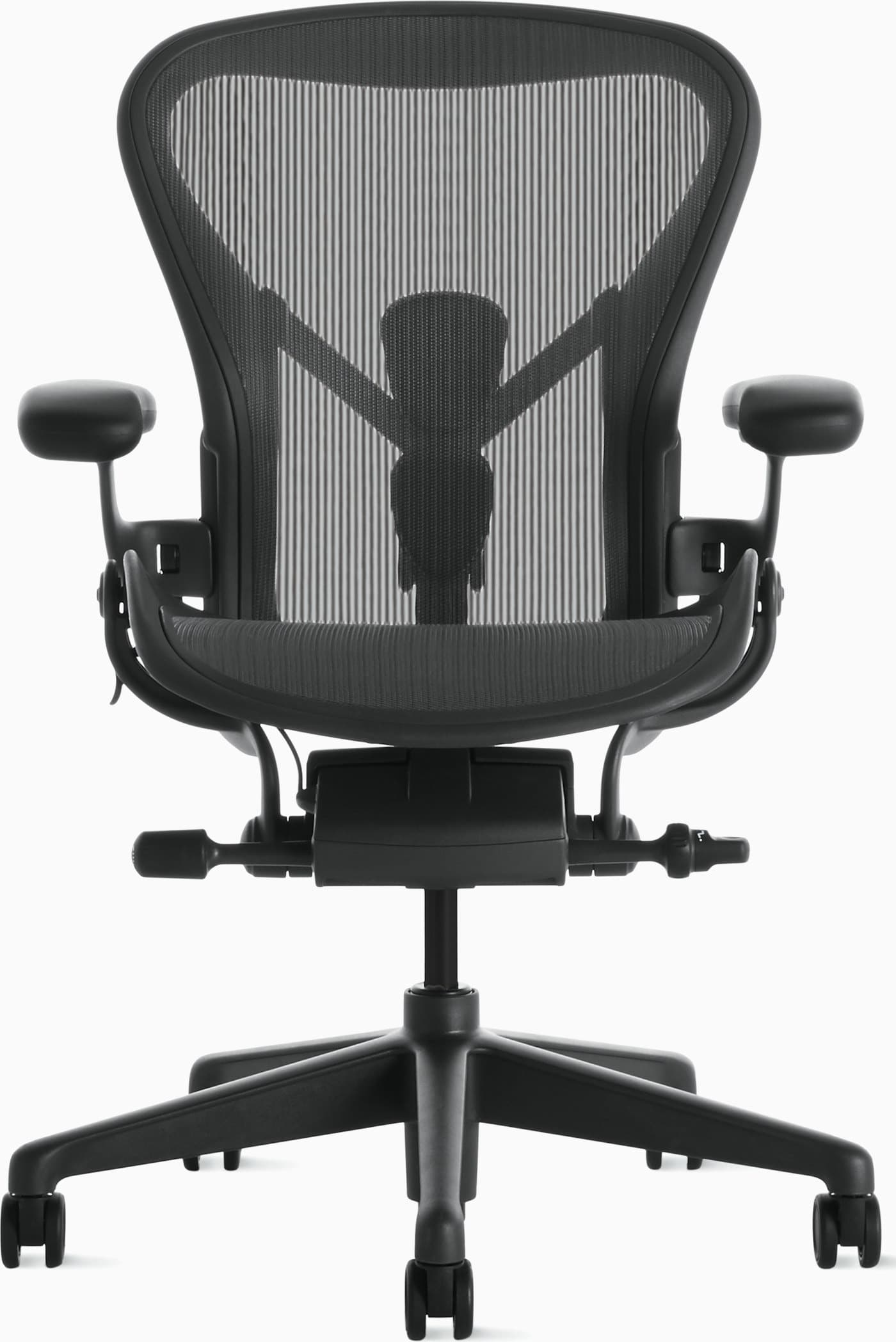
Best Overall
Mesh, lumbar range, and proven durability make Aeron the default premium engineering desk chair.
Warranty: 12-year warranty
Weight capacity: Up to 350 lbs depending on size
Lumbar: PostureFit SL sacral and lumbar pads
Armrests: Fully adjustable arms (height, width, depth, pivot)
Pros
- • Excellent long-session comfort
- • Highly adjustable and durable
- • Stays cool during warm days
- • Strong resale value and warranty
Cons
- • Premium price
- • Mesh feel is not for everyone
- • Sizing matters — wrong size reduces comfort
$1,400–$1,800
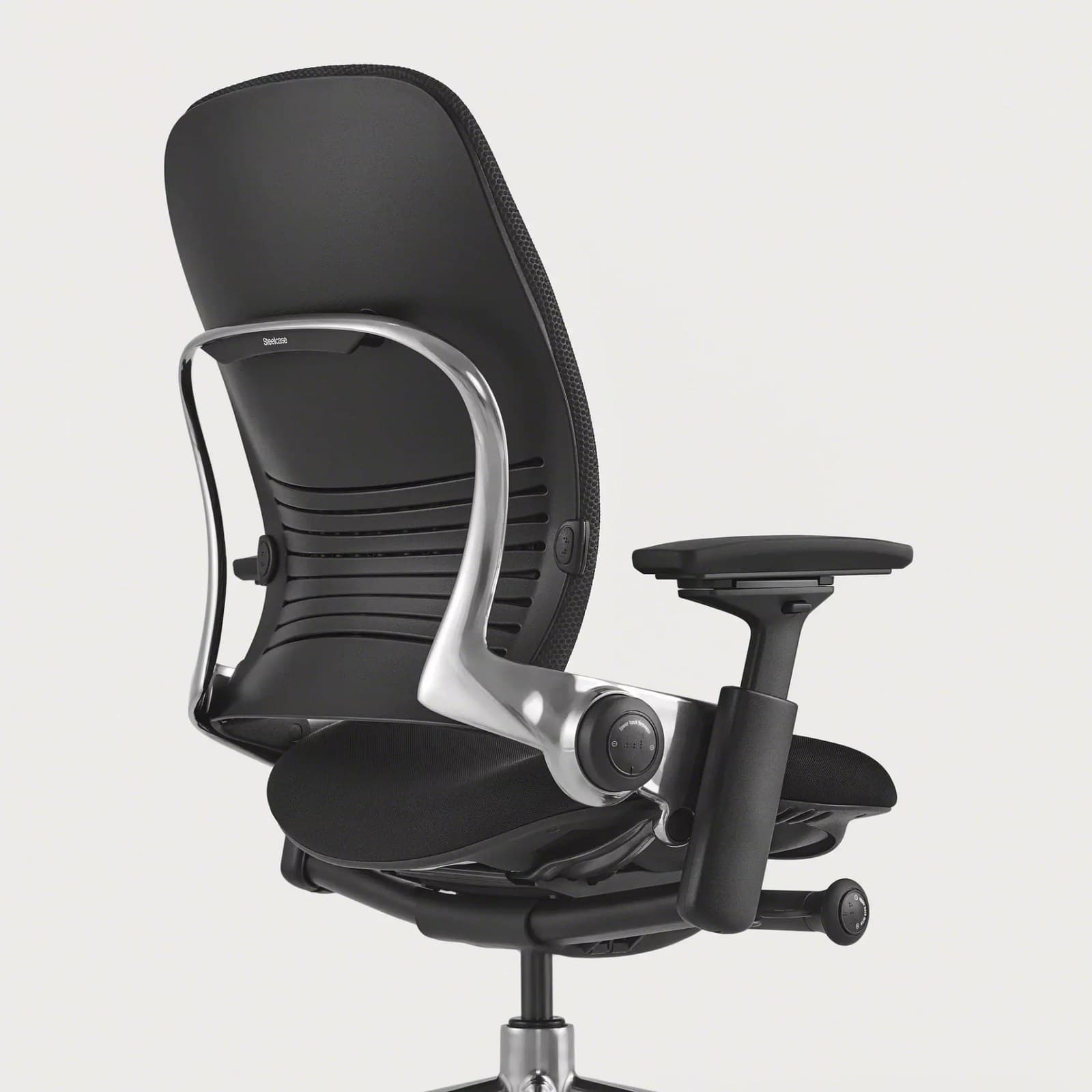
Best For Back Support
Leap’s responsive back is excellent for engineers who prefer upholstered support over mesh.
Warranty: 12-year warranty
Weight capacity: Up to 400 lbs
Lumbar: Height-adjustable lumbar with firmness control; LiveBack flex
Armrests: 4D arms (height, width, depth, pivot)
Pros
- • Excellent all-day comfort
- • Deep adjustability
- • Strong lower-back support options
- • Proven fleet-grade durability
Cons
- • Premium price
- • Bulkier than compact task chairs
- • Warmer than open-mesh designs
$1,000–$1,500
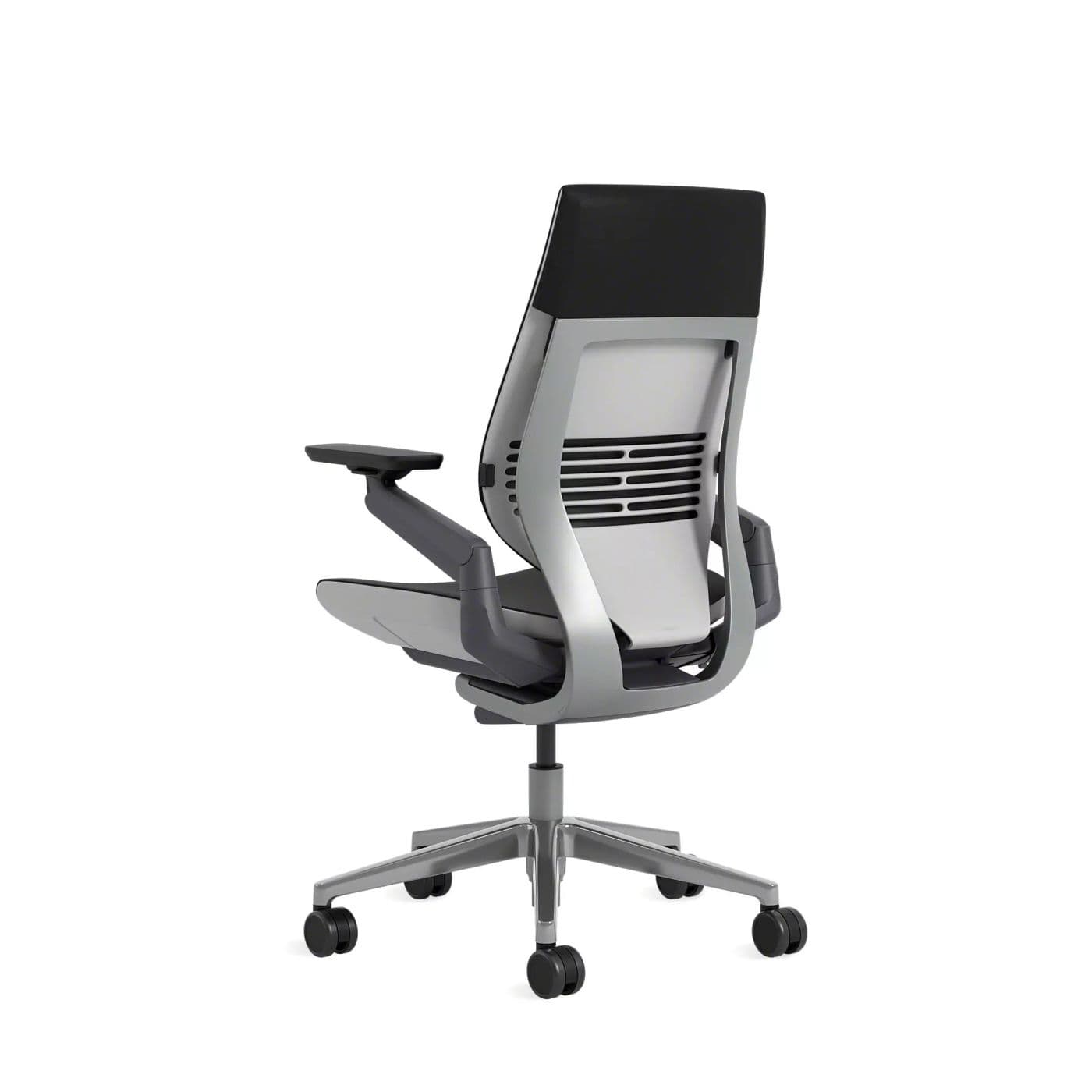
Best Premium
Gesture helps when engineering work spans laptops, tablets, and multi-monitor consoles.
Warranty: 12-year warranty
Weight capacity: Up to 400 lbs
Lumbar: Integrated lumbar with wraparound back contour
Armrests: 360-degree arms that follow device postures
Pros
- • Excellent for changing postures
- • Comfortable for long days
- • Arms support phone and tablet use
- • Premium build quality
Cons
- • Expensive
- • Heavier and bulkier than mesh chairs
- • Fewer “tech” aesthetics than gaming chairs
$1,200–$1,600
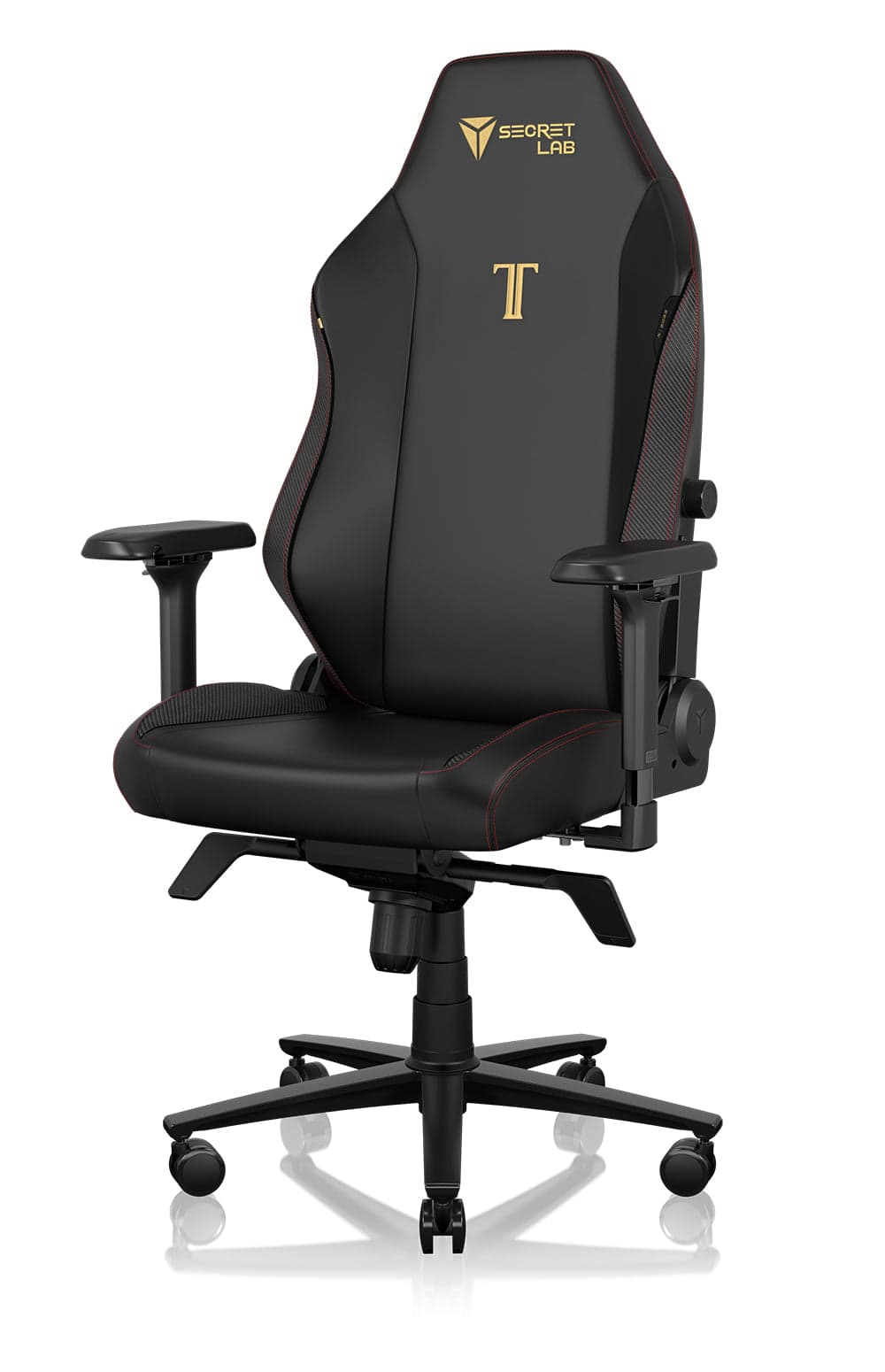
Best Value Upgrade
A capable non-fleet option for engineers who want lumbar-focused seating without premium pricing.
Warranty: 5-year warranty on typical retail configs
Weight capacity: Up to about 287 lbs (Regular); Plus size higher
Lumbar: Magnetic lumbar support with height/depth adjustment
Armrests: 4-way (4D) armrests
Pros
- • Strong value vs. flagship ergonomic chairs
- • Customizable look
- • Supportive for long sessions
- • Widely available
Cons
- • Bulkier footprint
- • Can run warm in leatherette
- • Less refined than Steelcase/Herman Miller
$500–$650
Buying advice
What makes a good office chair for engineers?
Rank chairs by continuous-session comfort and fit — not accessory checklists.
Continuous sitting endurance
Can you sit 3+ hours without hotspots? That matters more for engineering than RGB features.
Size options
Brands with multiple sizes (A/B/C style) reduce poor-fit risk for tall or short engineers.
Mouse-heavy tool support
Confirm armrests can sit close enough to keep shoulders down during CAD or IDE work.
Longevity
Check warranty length and common failure points like cylinders and arm pads.
Watch-outs
Common problems engineers face
Lower back load during deep work
Static hip flexion without lumbar support is common in long debugging or design sessions.
Chair selection guide →Shoulder tightness
Mouse-heavy tools raise traps when arms float. Raise armrests and bring input devices closer.
Height guide →Hip fatigue after reviews
Seat foam or incorrect depth becomes obvious after multi-hour meetings. Prefer adjustable pans.
Neck strain scanning panels
Spread displays carefully and keep primary work centered; chairs cannot fully fix bad screen placement.
Remote work chairs guide →FAQ
Office chair FAQs for engineers
What is the best office chair for engineers?
The Herman Miller Aeron is the top overall pick for long technical sessions. Steelcase Leap is excellent for back-focused comfort, and Titan Evo is a strong value upgrade.
Do engineers need a different chair than programmers?
Needs largely overlap — long sitting and high focus — but some engineering roles add CAD or multi-panel scanning. Prioritize fit, lumbar, and arm support either way.
Is mesh good for engineering work?
Yes for most people. Mesh stays cooler in long sittings. Engineers who prefer foam support may like Leap more than pure mesh designs.
How important is a headrest for engineers?
Secondary. Invest first in lumbar, seat depth, and armrests. Add a headrest if you recline often during reviews or reads.
What's a good chair under $600 for engineering?
Secretlab Titan Evo and Branch Ergonomic Chair are practical mid-range options when premium fleet chairs exceed budget.
Should engineers buy refurbished premium chairs?
Refurbished Aerons or Steelcase chairs can be smart if size and mechanical condition are documented. Avoid unknown worn foam and failed cylinders.
Final recommendation
Our pick for engineers
Engineers who spend long, focused hours at a desk should prioritize the Herman Miller Aeron for mesh comfort and durability. Prefer a more cushioned, flexible back? Choose the Steelcase Leap. For a mid-range path that still feels serious about lumbar support, look at the Secretlab Titan Evo.