
Audience guide
Best Office Chair for Students in 2026
Students face long study blocks, uneven schedules, and often small desks — while budgets stay tight. The right chair is the upgrade that protects focus during midterms and thesis seasons without requiring a corporate furniture budget.
Updated August 2026 · For students building healthier desk setups
Key takeaways
- Students should prioritize essential ergonomics over brand prestige.
- Branch delivers the best price-to-support ratio for most study setups.
- Compact chairs matter in dorms and shared apartments.
- Laptop stand + chair height fixes often beat expensive accessories alone.
- Upgrade before senior thesis or heavy remote-class terms when hours spike.
At a glance
Best office chairs for students compared
| Chair | Best For | Price | Key Feature |
|---|---|---|---|
| Branch Ergonomic Chair | Student budgets & real support | $300–$400 | Eight points of adjustment |
| Herman Miller Sayl Chair | Small rooms, better materials | $500–$900 | Frameless 3D Intelligent suspension back |
| Secretlab Titan Evo | Firm support students prefer | $500–$650 | Magnetic lumbar support system |
| Autonomous ErgoChair Pro | Mid-range adjustability + headrest | $400–$550 | Nine degrees of adjustability |
Work-day fit
Why students need a different office chair
Student sitting patterns are spiky: quiet weeks, then all-nighters. Chairs also live in smaller rooms where bulk is a real constraint.
Budget is not optional. The goal is durable, adjustable support that prevents the kitchen-chair spiral — not a showroom flagship unless finances allow.
Deadline surges
Sudden multi-hour sittings expose weak foam and missing lumbar fast.
Laptop posture
Beds, dining tables, and low desks amplify neck and wrist issues without height tools.
Shared or tiny rooms
Large racing chairs often overwhelm dorm footprints.
Budget caps
Essential features first: seat, back, arms — skip lights and gimmicks.
Common pain points
- Back pain from long library or dorm sessions
- Budget constraints that delay upgrades
- Small room footprints
- Laptop strain at makeshift desks
Priorities
What makes a good office chair for students?
Essential lumbar support
Essential
Some form of real lower-back support, ideally adjustable.
Why it matters: Study marathons on unsupportive chairs are a common source of student back complaints.
Price-to-support value
Essential
Features that matter without luxury pricing.
Why it matters: Students need function per dollar more than corporate warranty prestige.
Compact footprint
Highly recommended
A base and recline range that fit small rooms.
Why it matters: Space is finite in dorms and first apartments.
Adjustable seat height
Highly recommended
Works with improvised desks of different heights.
Why it matters: Student desks are rarely ideal; height range is a flexibility tool.
Durable enough for multi-year use
Nice to have
Survives a degree rather than one semester.
Why it matters: Replacing failed cheap chairs mid-degree resets the budget problem.
Picks
Recommended office chairs for students
Each pick is chosen for how students actually sit and work — not a generic bestseller list.
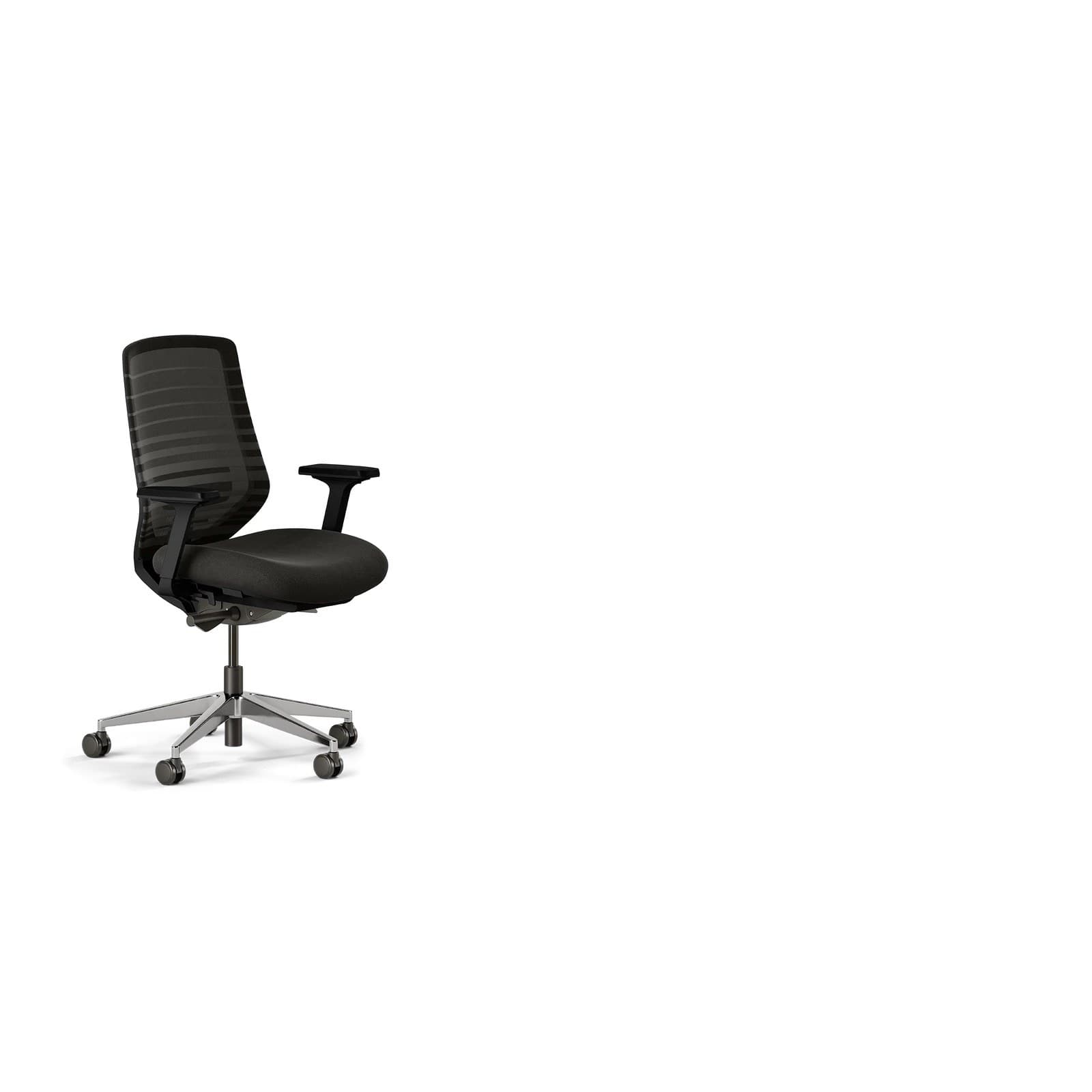
Best Overall
Branch hits the student sweet spot: legitimate ergonomic adjustments without premium corporate pricing.
Warranty: 7-year warranty
Weight capacity: Up to 275 lbs
Lumbar: Height-adjustable lumbar pad
Armrests: 3D arms (height, width, depth); removable
Pros
- • Excellent price-to-features ratio
- • Breathable for long sessions
- • Clean home-office aesthetic
- • Easy assembly and wide availability
Cons
- • Not fleet-grade like Herman Miller or Steelcase
- • Fewer fine adjustments than premium chairs
- • Optional headrest sold separately
$300–$400
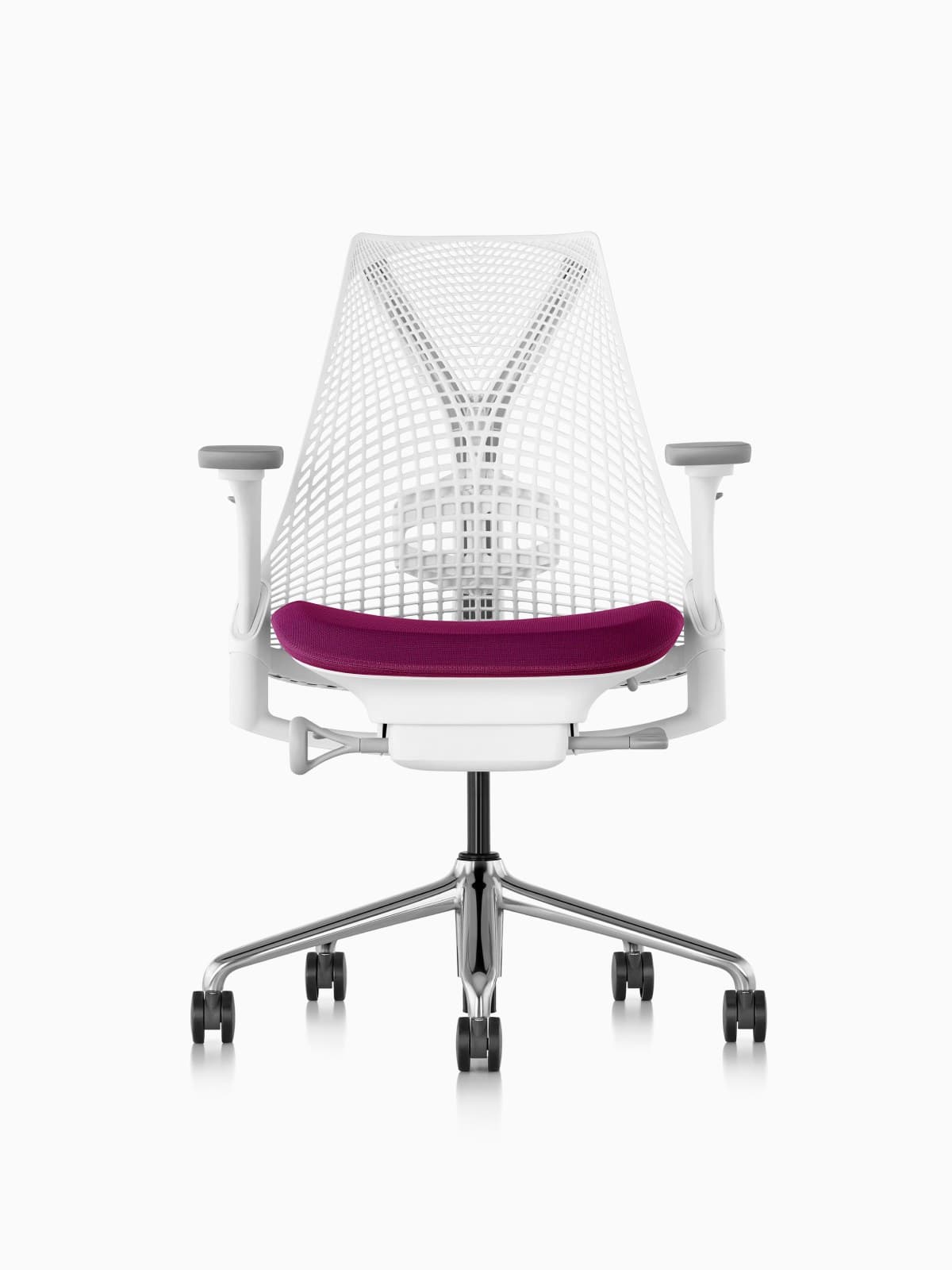
Best Premium Compact
Sayl brings Herman Miller engineering into a lighter frame that fits tight study spaces better than an Aeron.
Warranty: 12-year warranty
Weight capacity: Up to 350 lbs
Lumbar: Optional adjustable lumbar; suspension back provides flex
Armrests: Fixed or height-adjustable arms depending on config
Pros
- • Great for small apartments and tight corners
- • Breathable suspension back
- • Lower price than Aeron or Embody
- • Modern, airy look
Cons
- • Less support range than Embody or Leap
- • Not ideal for every taller body
- • Fewer ultra-fine adjustments than flagships
$500–$900
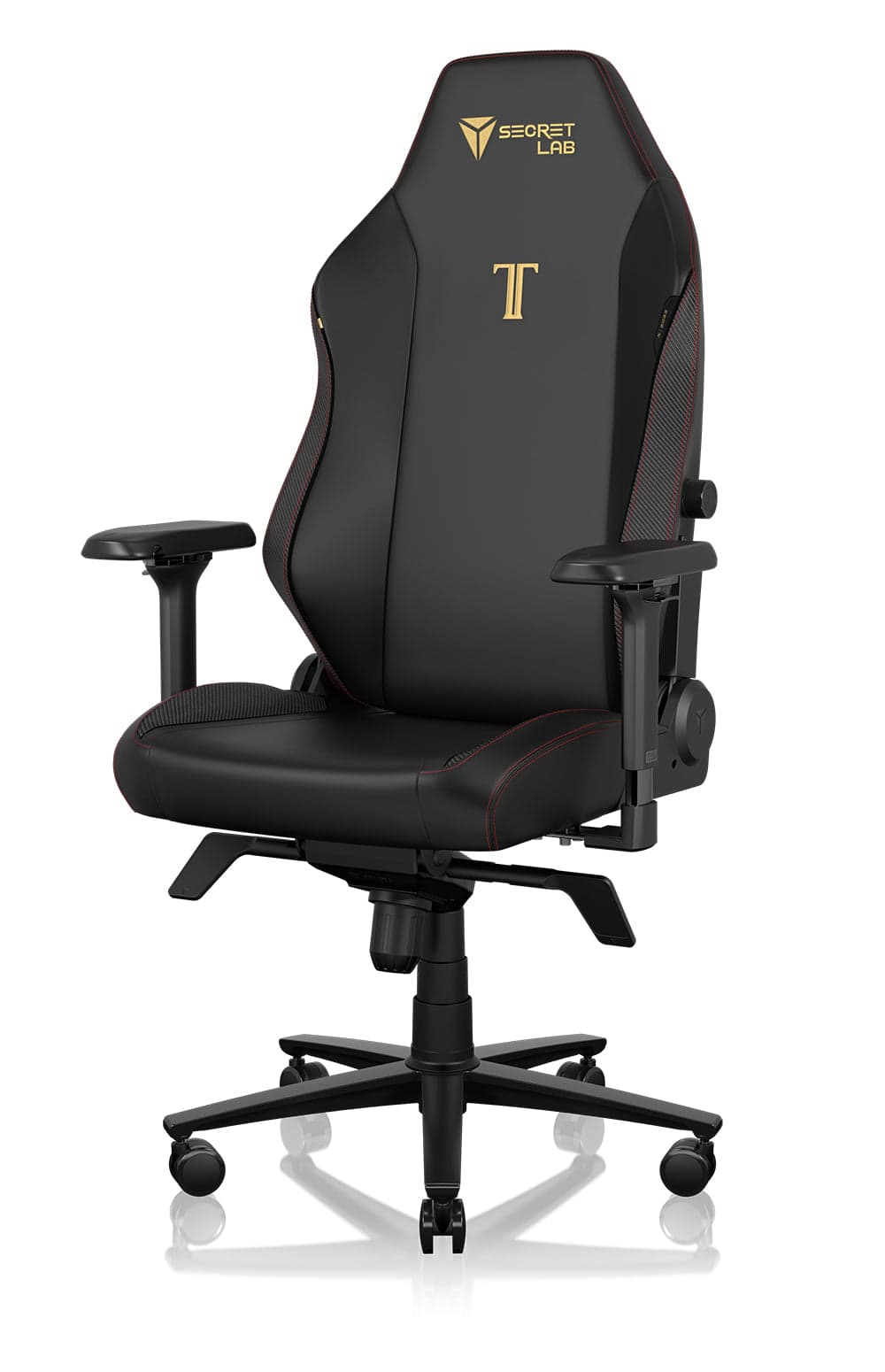
Best Gaming-Style
A stronger-supported alternative when students want more than a soft foam chair and will sit long for study and games.
Warranty: 5-year warranty on typical retail configs
Weight capacity: Up to about 287 lbs (Regular); Plus size higher
Lumbar: Magnetic lumbar support with height/depth adjustment
Armrests: 4-way (4D) armrests
Pros
- • Strong value vs. flagship ergonomic chairs
- • Customizable look
- • Supportive for long sessions
- • Widely available
Cons
- • Bulkier footprint
- • Can run warm in leatherette
- • Less refined than Steelcase/Herman Miller
$500–$650
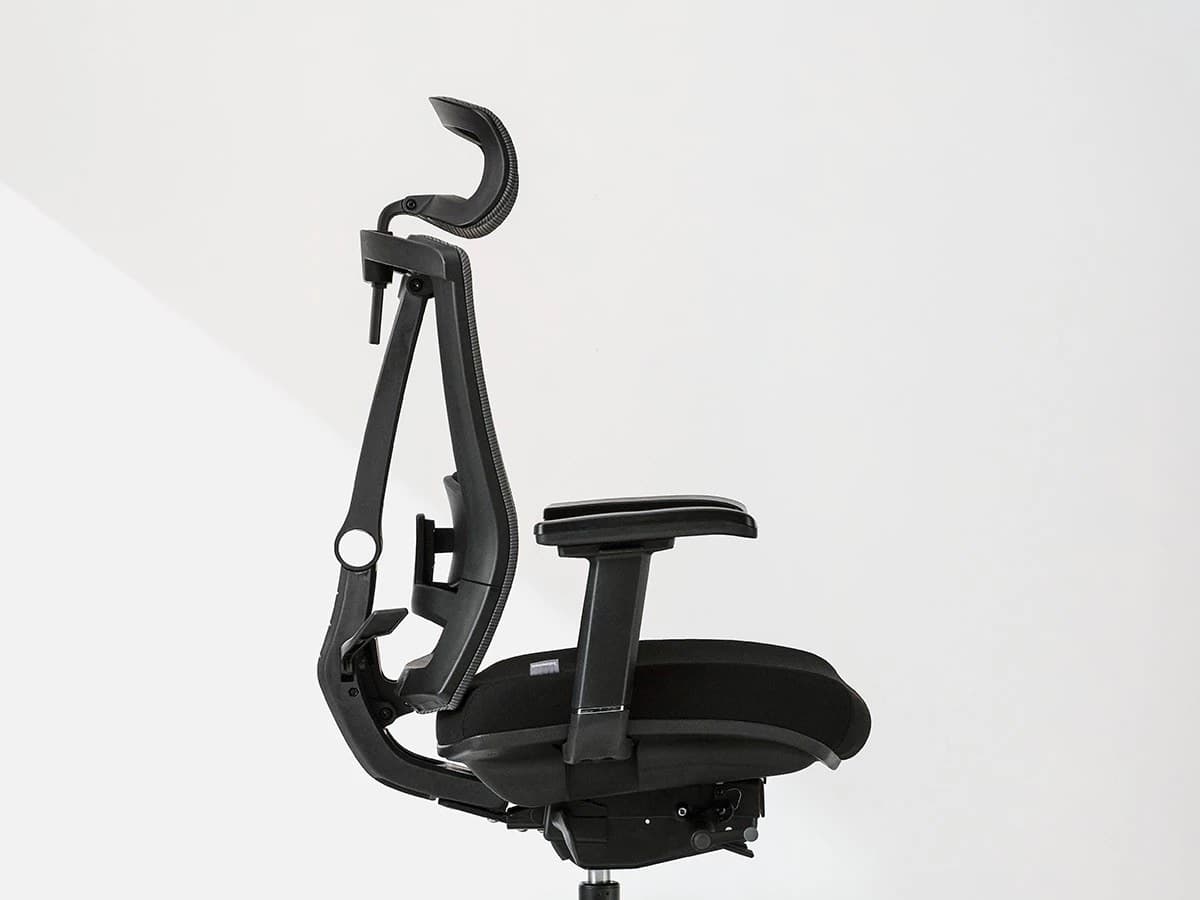
Best With Headrest
Useful when you want more adjustment points and optional headrest support without top-tier pricing.
Warranty: 2-year warranty on typical direct configs
Weight capacity: Up to about 300 lbs
Lumbar: Sliding lumbar support
Armrests: 3D adjustable arms
Pros
- • Strong feature set for the price
- • Headrest helpful for reclined breaks
- • Widely available online
- • Good mid-range value
Cons
- • Less proven longevity than Steelcase/HM
- • Bulkier than compact mesh chairs
- • Comfort varies by body type and setup
$400–$550
Buying advice
What makes a good office chair for students?
Buy the minimum capable ergonomic chair — then invest remaining budget in laptop height and lighting.
Set a firm budget band
Target roughly $250–$500 for most students. Above that only if you’ll keep the chair years after graduation.
Measure the room
Check doorway, desk clearance, and swivel radius before ordering a wide base.
Prioritize lumbar and height
Skip RGB and speaker armrests. Support and fit win exam season.
Think beyond the chair
A $30 laptop stand plus a decent chair often beats a fancy chair at a terrible laptop height.
Watch-outs
Common problems students face
Study-night back pain
Kitchen and plastic chairs lack lumbar. Branch-level support is usually enough to change finals week comfort.
What features matter →Laptop neck strain
Raise the screen to eye level and use an external keyboard when possible.
Home office basics →No space for a full office chair
Choose compact options like Sayl or smaller task chairs; measure before bulk gaming models arrive.
Small space office ideas →Chair failed mid-degree
Ultra-cheap chairs often lose cylinder pressure. Spending a bit more once usually costs less overall.
FAQ
Office chair FAQs for students
What is the best office chair for students?
The Branch Ergonomic Chair is the best overall student pick for value and support. Sayl is better when budget allows a compact premium chair.
Is a gaming chair good for studying?
Only better gaming hybrids with real lumbar adjustment. Cheap racing chairs often run hot and soft. Compare support quality, not branding.
Should students buy used office chairs?
Yes if condition and hygiene are verifiable. Check cylinder function, base cracks, and cleanability. Campus marketplace finds can be great value.
Do students need an expensive ergonomic chair?
Not usually. Mid-range options with basic adjustability solve most issues. Save premium purchases for full-time post-grad work unless hours are already extreme.
What's better: chair upgrade or new desk?
If you sit 4+ hours daily on a bad seat, chair first. Desk upgrades matter more when height is fixed and forces shoulder shrug even in a good chair.
How long should a student chair last?
Through a degree and into early career if possible — roughly 4–7 years. Avoid chairs that feel disposable after one year of finals stress.
Final recommendation
Our pick for students
Most students should start with the Branch Ergonomic Chair — it covers the features that matter without exhausting an academic budget. If you can stretch and need a smaller premium footprint, the Herman Miller Sayl is excellent. Prefer firmer, gaming-adjacent support for long study-and-play nights? The Titan Evo is a capable middle path.