Autonomous
Autonomous ErgoChair Pro Review: Worth It?
Yes for many remote workers who want a feature-rich mid-range chair with a headrest and broad adjustability — without paying flagship prices. It is a practical alternative to significantly more expensive chairs like the Aeron or Leap, not an objective upgrade over them.
- Best for:
- Home-office buyers who want nine adjustment points, an included headrest, and mid-range pricing instead of premium fleet chairs
- Main benefit:
- Feature density and included headrest at mid-range pricing
- Main drawback:
- Much shorter warranty than premium fleet chairs
Reviewed by AuraOX home office editors
Some links on AuraOX are affiliate links. If you purchase through them, AuraOX may earn a commission at no additional cost to you.
Our evaluation considers manufacturer and retailer specifications, typical warranty terms, advertised adjustability, and how the ErgoChair Pro compares with mid-range and premium ergonomic chairs for remote work. We do not claim multi-week hands-on lab testing unless noted on a specific page. How AuraOX evaluates products
Quick verdict
- Best for
- Home-office buyers who want nine adjustment points, an included headrest, and mid-range pricing instead of premium fleet chairs
- Not ideal for
- Anyone who needs commercial-length warranty coverage, proven decade-scale durability, or the refined build of Herman Miller / Steelcase flagships
- Biggest advantage
- Feature density and included headrest at mid-range pricing
- Biggest drawback
- Much shorter warranty than premium fleet chairs
- Price tier
- Typically about $400–$550; often listed near $499 (prices fluctuate; sales can run lower)
- Warranty
- Typically 2 years on common direct configs — much shorter than premium 12-year warranties
- Overall recommendation
- Worth it when you prioritize adjustability and a headrest on a mid-range budget; skip it if warranty length or premium materials matter more than sticker savings.
ErgoChair Pro pros and cons
Pros
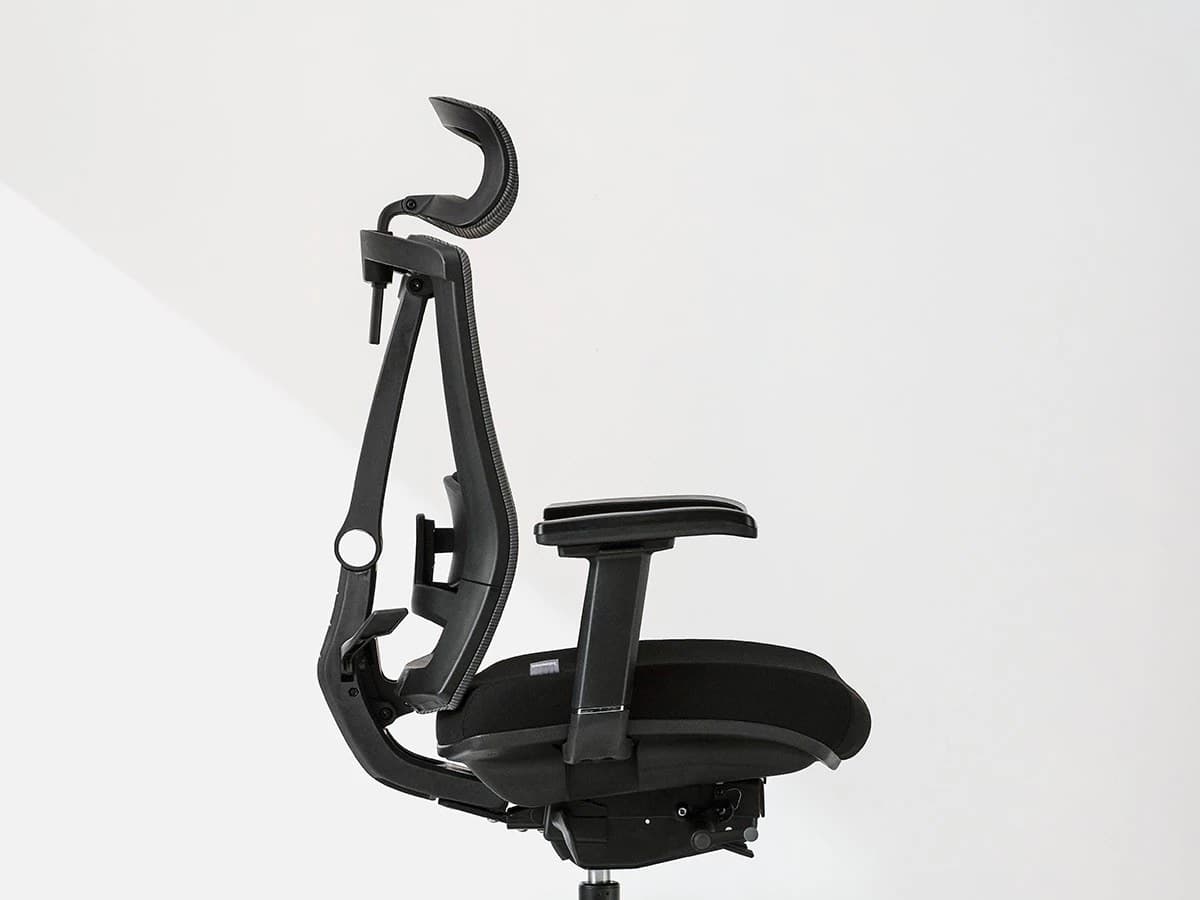
- Nine advertised adjustment points cover height, depth, lumbar, arms, recline, and headrest on common configs
- Headrest included on typical listings — rare at this price vs many premium work chairs
- Mesh back helps with breathability on longer desk days
- Seat depth and sliding lumbar support more fit tuning than basic task chairs
- Strong feature-per-dollar story versus $1,000+ ergonomic flagships
Cons
- Typical ~2-year warranty is far shorter than Herman Miller or Steelcase commercial coverage
- Build and longevity are less proven than premium fleet chairs
- Seat material and exact dimensions vary by config and retailer listing
- Bulkier footprint than compact mesh designs
- Not an objective substitute for Aeron/Leap fit, materials, or service ecosystems
Key specifications
Specs reflect typical manufacturer and retailer information and can vary by configuration and region.
| Spec | Details |
|---|---|
| Approx. price | Typically about $400–$550; often listed near $499 (fluctuates; check current retailer pricing and sales) |
| Weight capacity (typical) | Up to about 300 lbs (confirm your listing) |
| Adjustment points | 9 (manufacturer / retailer typical marketing) |
| Seat height (typical retailer figures) | About 18.5–22" (confirm cylinder and listing) |
| Seat depth (typical retailer figures) | Adjustable; commonly cited around ~19–21.5" or ~18–20" depending on listing — figures vary |
| Materials | Mesh back; seat mesh or foam options depending on configuration |
| Armrests | Multi-adjustable arms (sources describe 3D or 4D — confirm your config) |
| Lumbar support | Sliding / height-adjustable lumbar |
| Recline / tilt | About 22° recline with multiple lock positions (typical retailer specs) |
| Headrest | Included on common configurations |
| Warranty | Typically 2 years on common direct configs (much shorter than many premium 12-year warranties) |
Is the Autonomous ErgoChair Pro worth it?
The ErgoChair Pro is worth considering when you want mid-range pricing with a dense feature list: seat depth, sliding lumbar, multi-adjustable arms, recline locks, and a headrest on common configs. That combination is harder to find under roughly $500–$550 than a basic height-and-tilt task chair.
It is a strong “feature-rich mid-range vs premium flagship” story — not a claim that it outperforms an Aeron or Leap. You trade warranty length, materials pedigree, and long commercial track records for lower upfront cost and more included options (especially the headrest).
If you sit full-time and can stretch to a premium chair with a multi-year warranty, flagships may still win on cost-per-year. If your budget tops out in the mid-range, the ErgoChair Pro is often more sensible than stretching into debt for a brand name. See our guide on how to choose an office chair if you are still weighing mid-range vs premium.
Who is the ErgoChair Pro best for?
Remote and hybrid workers who want one online purchase with seat depth, lumbar, arms, recline, and a headrest without entering premium pricing.
People who recline on calls or lean back between focus blocks and actually use a headrest — something many standard Aeron work configs do not include.
Shoppers comparing under-$500 / mid-range shortlists who care more about adjustability density than brand prestige. Our best office chair under $500 roundup is a useful companion when price is the hard constraint.
Who should skip the ErgoChair Pro?
Buyers who treat warranty length as non-negotiable — a typical ~2-year window is a real gap versus Herman Miller or Steelcase commercial coverage.
Anyone who has already decided they want Aeron mesh character, Leap LiveBack cushioning, or a long-service fleet chair and can fund that choice comfortably.
Users who need a compact footprint, or whose body dimensions fall outside the ranges published on the specific listing they are buying — retailer figures for seat depth and height can differ by config.
How adjustable is the ErgoChair Pro for home office work?
Manufacturer and retailer materials typically highlight nine adjustment points. In practice that usually covers seat height, seat depth, lumbar position, arm adjustments, recline / lock positions, and headrest — exact controls depend on the configuration you order.
Seat height is commonly listed around 18.5–22". Seat depth is adjustable; retailer sheets often cite ranges near ~19–21.5" or ~18–20". Treat those as typical published figures that can vary by listing, not as a single universal measurement.
Lumbar is generally described as sliding or height-adjustable. Arms are multi-adjustable — some sources say 3D, others 4D — so confirm height, width, depth, and pivot on the SKU you buy. Recline is often listed near ~22° with multiple lock positions.
Dial in feet flat, thighs supported without pressure behind the knees, elbows near desk height, and lumbar where your lower back actually needs it. Adjustability only helps if you take a few minutes to set it up for your desk.
Is the Autonomous ErgoChair Pro good for long hours?
For multi-hour remote workdays, the ErgoChair Pro’s case rests on breathable mesh on the back, seat-depth tuning, adjustable lumbar, and the ability to change recline angle — plus a headrest for occasional lean-back breaks.
Long-hour comfort still depends on fit, seat surface preference (mesh vs foam options vary by config), and whether you change positions. No chair replaces standing breaks, short walks, or a sensible sit-stand routine.
If you already know you prefer premium mesh sling feel or a specific cushioned LiveBack experience, compare those chairs directly rather than assuming mid-range adjustability equals the same all-day character. For a broader shortlist, see our best office chairs for long hours guide.
How is ErgoChair Pro build quality and materials?
Typical listings describe a mesh back with seat options that may be mesh or foam depending on configuration. The chair is generally positioned as a full-size task chair — often bulkier than compact mesh designs.
Moving parts (arms, lumbar slider, recline locks, headrest) are where mid-range chairs can feel less refined than premium mechanisms over years of use. We do not invent lifespan numbers; warranty length and brand track record are the honest durability signals available from public materials.
Weight capacity is commonly stated around 300 lbs. Confirm the figure on your exact product page before buying.
What does the ErgoChair Pro warranty cover?
Common direct configurations are typically backed by about a 2-year warranty. That is meaningfully shorter than the roughly 12-year limited warranties often associated with Herman Miller and Steelcase work chairs.
Call this out honestly: if you expect commercial-grade coverage for intensive daily sitting over a decade, mid-range DTC warranties are usually not in the same category. Coverage details, exclusions, and claim process depend on the seller and current terms.
Keep proof of purchase and read the warranty document for your channel (brand site vs marketplace). Refurbished or third-party listings may differ.
Is the ErgoChair Pro a good value at its current price?
Typical street pricing sits around $400–$550, with many listings near $499. Sale pricing can run lower; treat any number here as approximate and check the live retailer page.
Value is strongest when you use the adjustments and headrest regularly and would otherwise buy a bare-bones task chair that forces an early upgrade. Value is weaker if you would have been happier saving longer for a premium chair with a long warranty.
You are paying for feature density and convenience of online mid-range shopping — not for flagship materials science or a 12-year commercial warranty story.
How does the ErgoChair Pro compare to the Herman Miller Aeron?
The Aeron is a premium mesh work chair with discrete sizing (A/B/C), refined tilt mechanics, and a long limited warranty. Standard Aeron work configs typically do not include a Herman Miller headrest. Our Herman Miller Aeron review covers that trade space in depth.
The ErgoChair Pro costs a fraction of a typical configured Aeron, usually includes a headrest, and advertises a broad adjustment list — including seat depth on many listings. It does not match Aeron’s size system, Pellicle mesh engineering, or warranty length.
Choose ErgoChair Pro when budget and included features dominate. Choose Aeron when fit precision, premium mesh character, and long warranty matter more than sticker price. Do not treat the mid-range chair as objectively better — different tiers, different jobs.
What are good alternatives to the ErgoChair Pro?
Branch Ergonomic Chair — another mid-range online option if you want a simpler feature set or different comfort character at a similar budget band.
Secretlab Titan Evo — often chosen when people want a more gaming-/hybrid-styled chair with extensive customization; different aesthetic and seat feel than mesh-forward office chairs.
Herman Miller Aeron or Steelcase Leap — step up when you can fund premium pricing and want longer warranty / fleet-proven designs. Herman Miller Sayl is a more approachable Herman Miller entry if you want the brand below top flagship pricing.
Who is it for?
- Remote workers who want mid-range pricing with many adjustments and a headrest
- Buyers comparing feature-rich chairs typically around $400–$550
- People who recline during calls and will actually use a headrest
- Shoppers upgrading from a dining chair or basic task chair without jumping to $1,000+
- Anyone prioritizing adjustability density over premium brand warranty length
Who should skip it?
- Buyers who need ~12-year commercial warranty coverage
- Users set on Aeron/Leap materials, fit systems, or dealer ecosystems
- Anyone who dislikes fuller-size / bulkier task chairs
- Bodies that do not fit the published ranges on the specific listing
- Occasional sitters who only need a simple, cheap height-adjustable seat
Alternatives
Branch
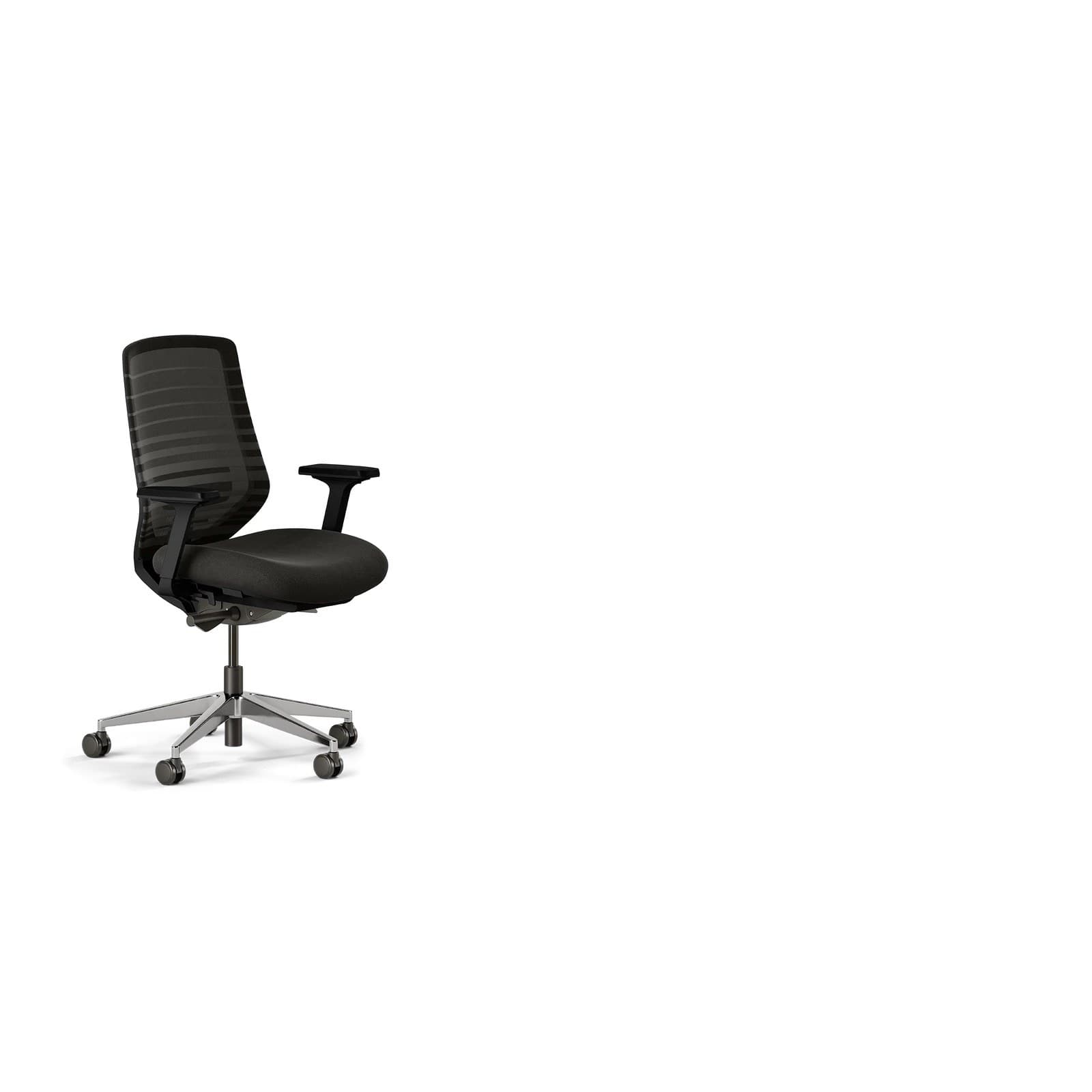
Ergonomic Chair
Affordable mesh ergonomic chair with eight points of adjustment.
$300–$400
Mid-range peer with a different comfort profile — compare if you want fewer extras and a cleaner office look.
Secretlab
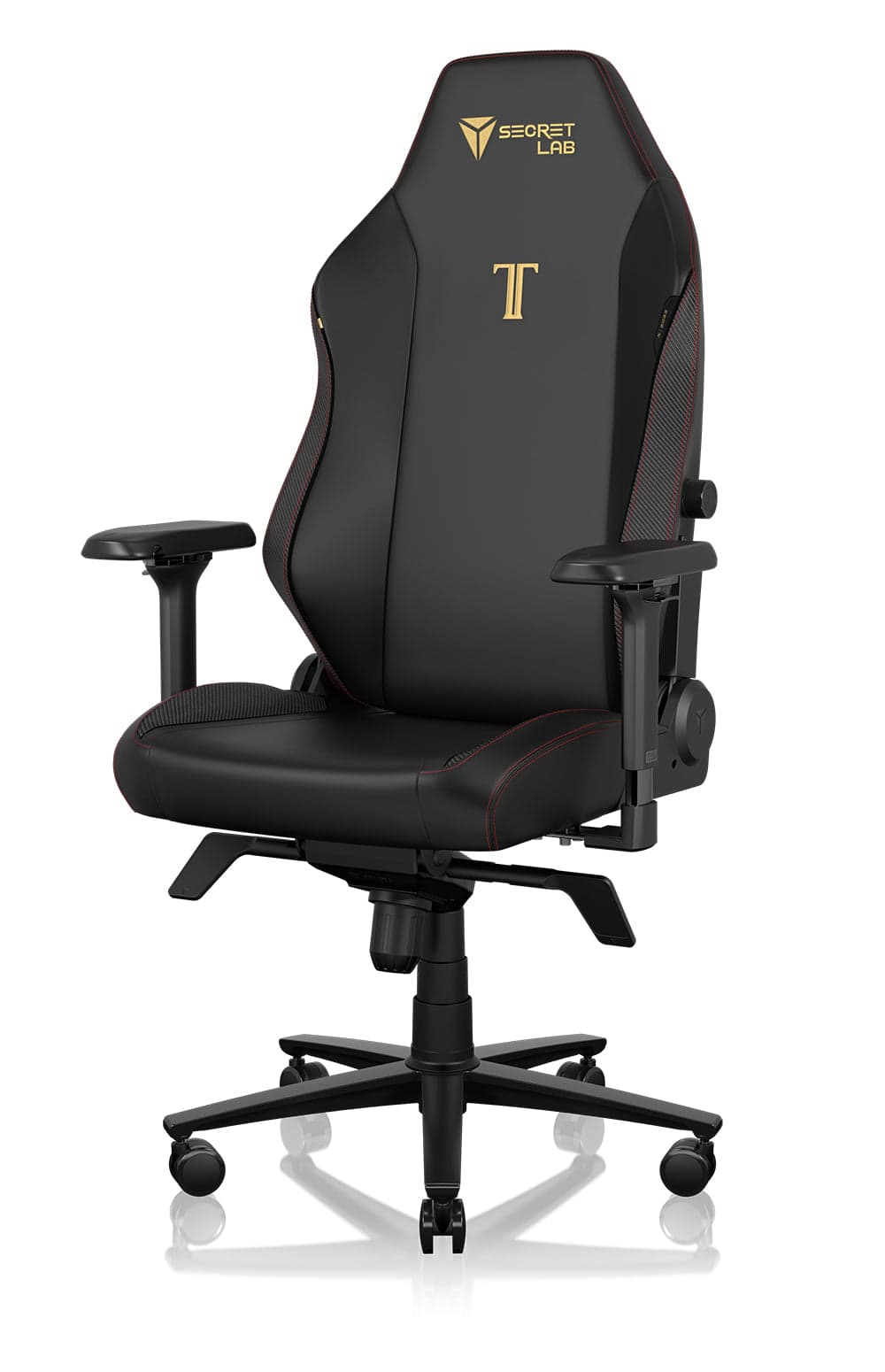
Titan Evo
Supportive hybrid chair popular with creators and developers.
$500–$650
Hybrid/gaming-oriented alternative with deep customization; different seat and aesthetic character.
Herman Miller
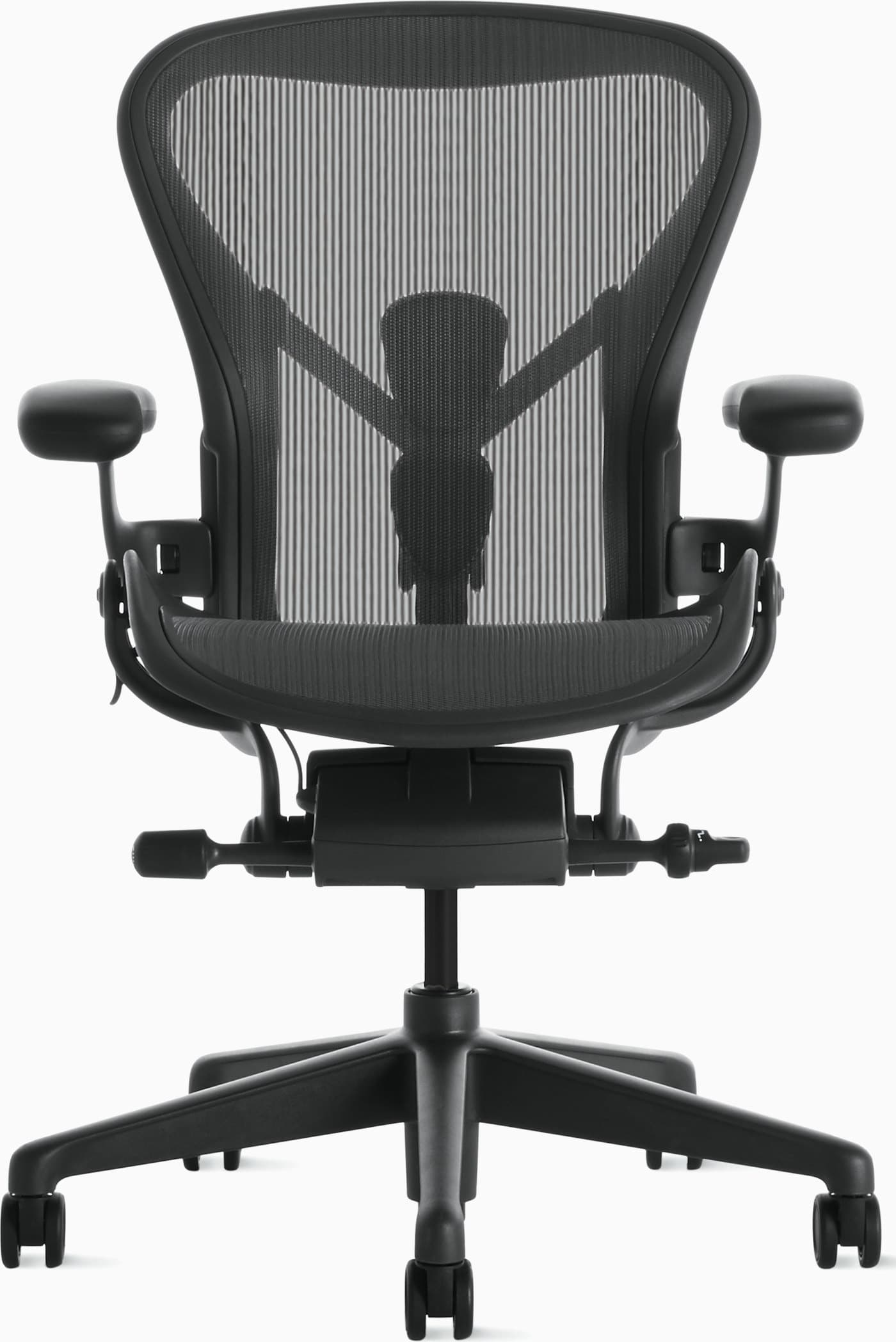
Aeron Chair
Iconic mesh ergonomic chair engineered for all-day remote work.
$1,400–$1,800
Premium mesh flagship with long warranty — not a like-for-like swap; choose when budget allows.
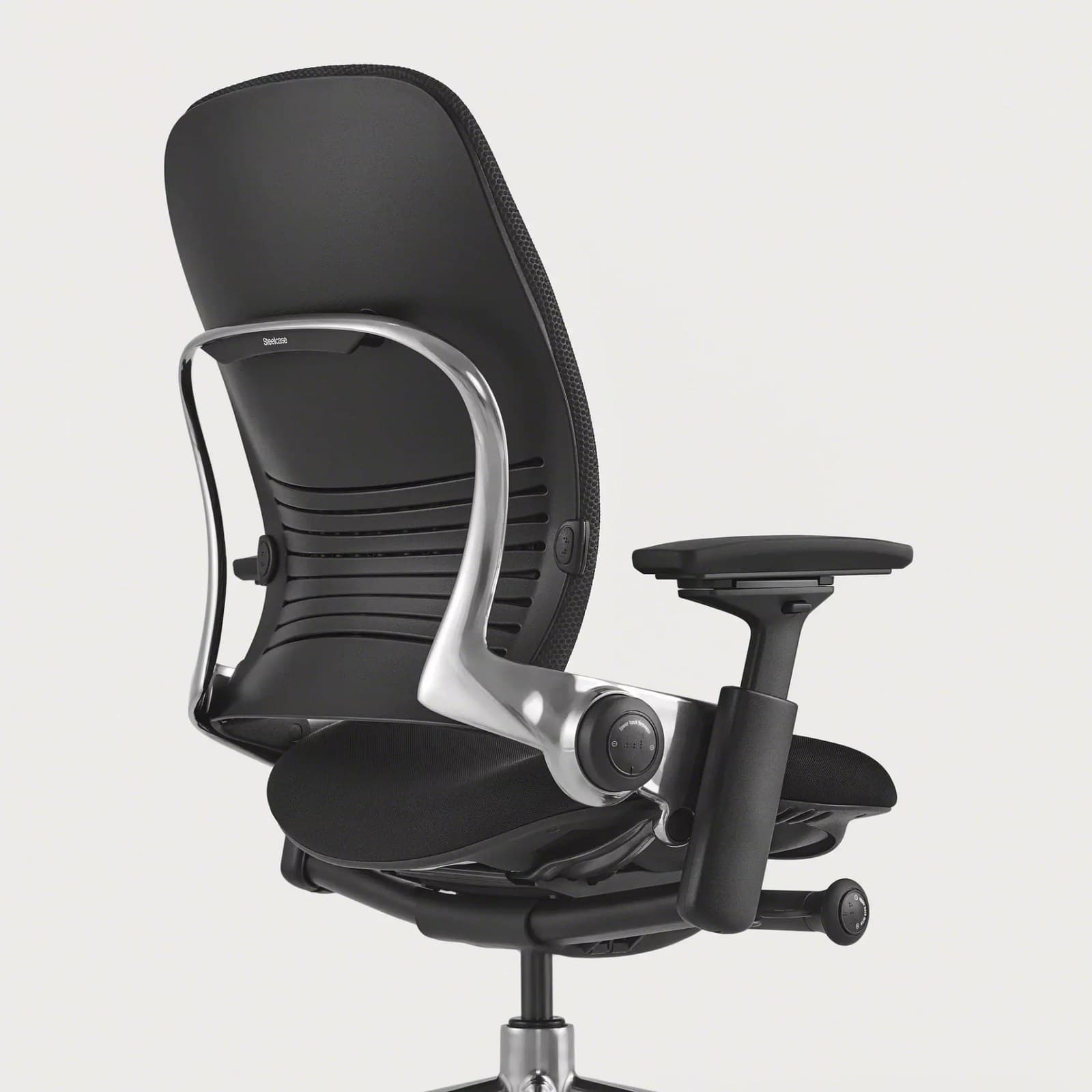
Steelcase
Leap Chair
LiveBack ergonomic chair built for long seated workdays.
$1,000–$1,500
Premium cushioned LiveBack option for buyers who prefer upholstery over mid-range mesh/foam mixes.
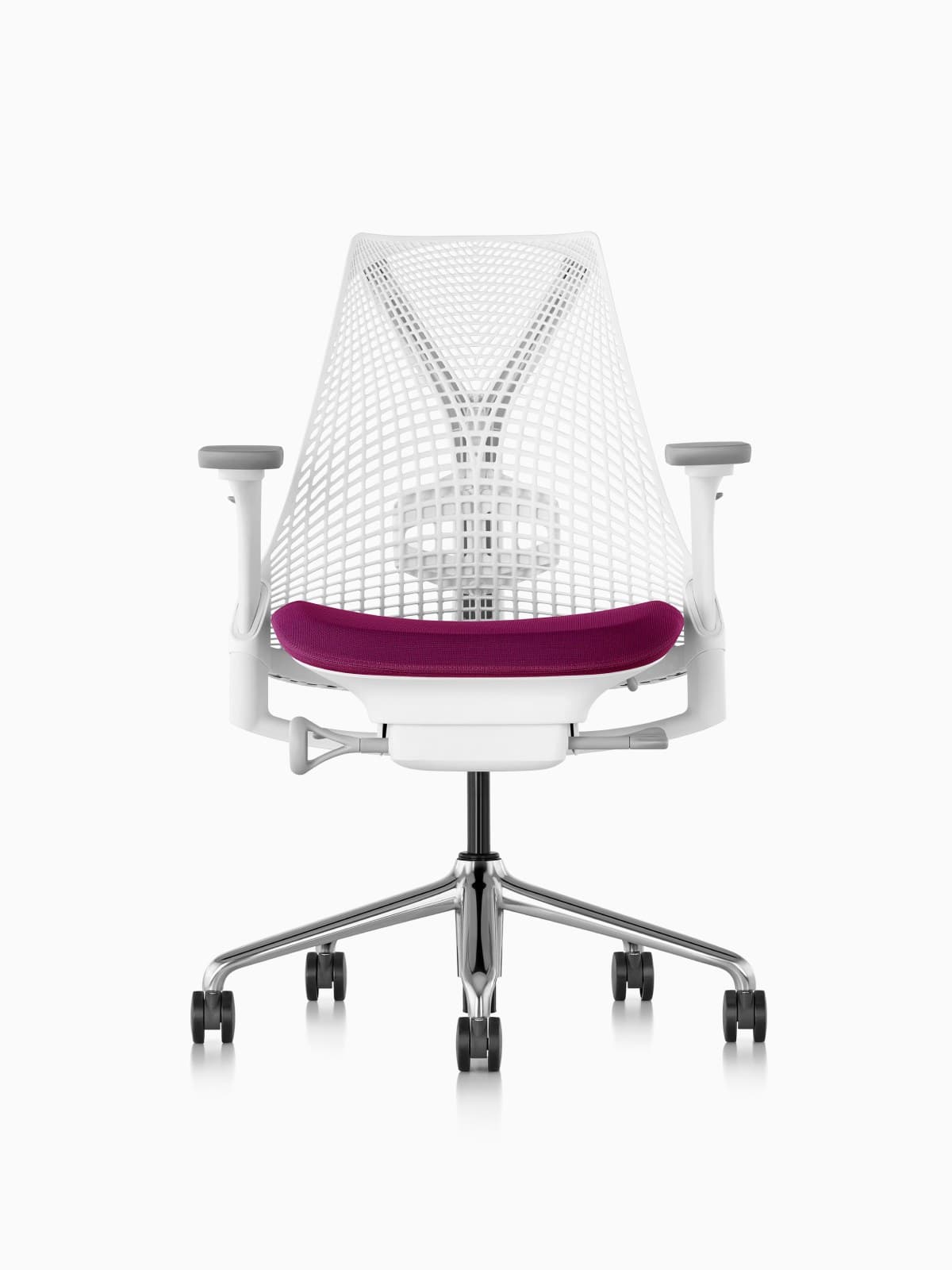
Herman Miller
Sayl Chair
Compact unframed suspension chair for smaller home offices.
$500–$900
More approachable Herman Miller entry if you want the brand below Aeron pricing.
Continue your research
Guide
How to choose an office chair
Continue researching home-office options on AuraOX.
Guide
Best office chairs for remote workers
Continue researching home-office options on AuraOX.
Guide
Best office chairs for long hours
Continue researching home-office options on AuraOX.
Guide
Best office chair under $500
Continue researching home-office options on AuraOX.
Review
Herman Miller Aeron review
Continue researching home-office options on AuraOX.
Review
Steelcase Leap review
Continue researching home-office options on AuraOX.
Review
Herman Miller Embody review
Continue researching home-office options on AuraOX.
Quiz
Office chair quiz
Continue researching home-office options on AuraOX.
Guide
Office chairs hub
Continue researching home-office options on AuraOX.
FAQ
Frequently asked questions
Is the Autonomous ErgoChair Pro worth it in 2026?
For many full-time remote workers on a mid-range budget who want a headrest and broad adjustability, yes — especially versus a basic task chair. It is not worth stretching expectations into “better than Aeron/Leap”; those remain premium chairs with longer warranties and different engineering.
How does the ErgoChair Pro compare to the Herman Miller Aeron?
The ErgoChair Pro costs much less, often includes a headrest, and advertises many adjustment points. The Aeron offers premium mesh design, size-specific fit, and a much longer typical warranty. Pick mid-range features vs premium longevity — not a single “winner.”
Is the ErgoChair Pro good for long hours?
It can work well for multi-hour days when seat depth, lumbar, and recline are set correctly and the mesh back helps with heat. Long-hour results still depend on personal fit and movement breaks; it is not automatically equal to premium all-day chairs.
Does the ErgoChair Pro come with a headrest?
A headrest is included on common configurations. Confirm the specific SKU and photos on the retailer page you are buying from, since options can vary.
What warranty does the ErgoChair Pro have?
Typical direct configs are often described with about a 2-year warranty — substantially shorter than many Herman Miller or Steelcase ~12-year limited warranties. Read current terms for your purchase channel.
Can I get an ErgoChair Pro under $500?
Listings often sit near $499, with a typical band around $400–$550. Sale pricing can dip under $500; prices fluctuate, so check live retailer pricing rather than treating any figure as fixed.
How many adjustments does the ErgoChair Pro have?
Manufacturer and retailer materials typically cite nine adjustment points, covering areas such as height, seat depth, lumbar, arms, recline locks, and headrest. Exact controls depend on configuration.
Is the ErgoChair Pro better than premium ergonomic chairs?
No — it is better framed as a feature-rich mid-range alternative when you will not pay flagship prices. Premium chairs generally lead on warranty length, materials pedigree, and long commercial track records.
Check the current ErgoChair Pro price
Listings, configs, and promotions change. Confirm seat options, headrest, warranty terms, and return policy before you buy.
Check price